

Consulting Projects
We can help your business take the next step.
- Date
- 22 Μαΐου 2026
The cleaning performance of a chemical dishwasher was analyzed using an SPH simulation to capture complex droplet dynamics and surface interactions. With GPU acceleration, high-resolution multiphase flow simulations were performed efficiently. By tracking liquid coverage time on contaminated surfaces, the study enabled accurate evaluation of dilution and cleaning effectiveness, supporting optimized operating parameters.- Date
- 22 Μαΐου 2026
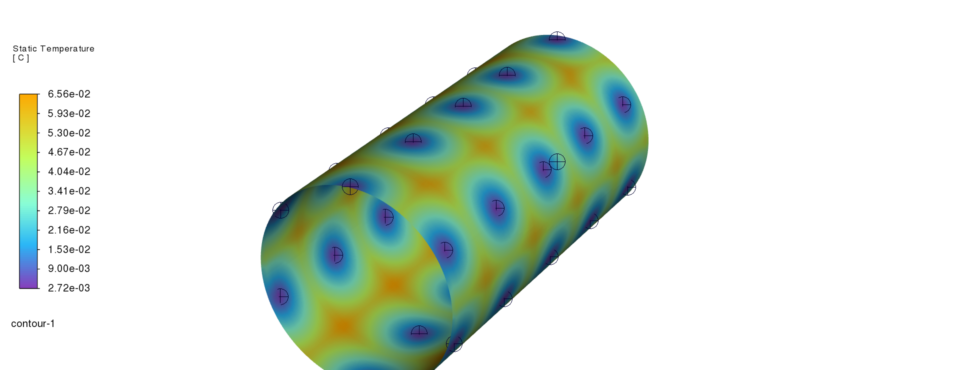
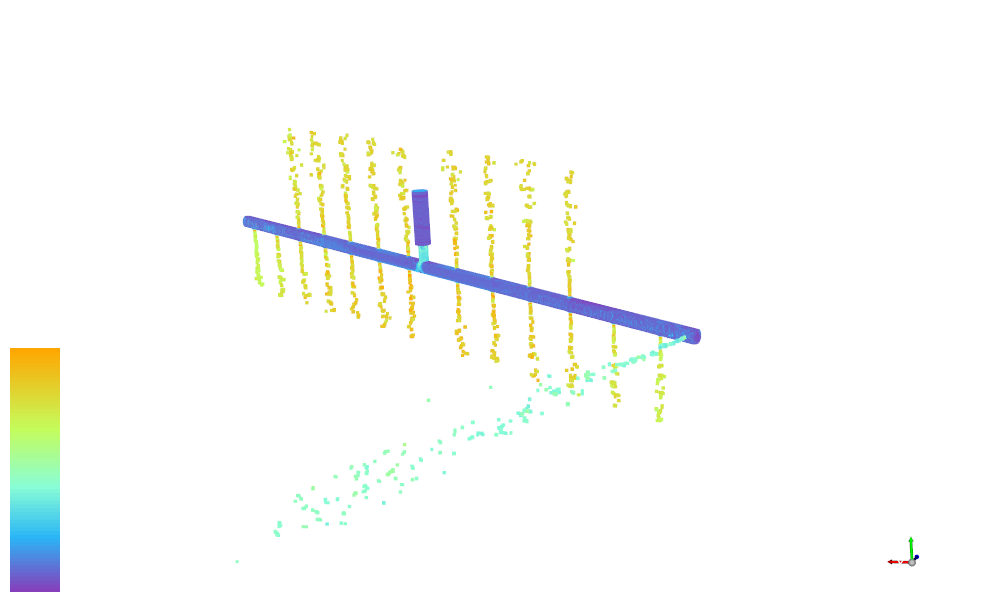
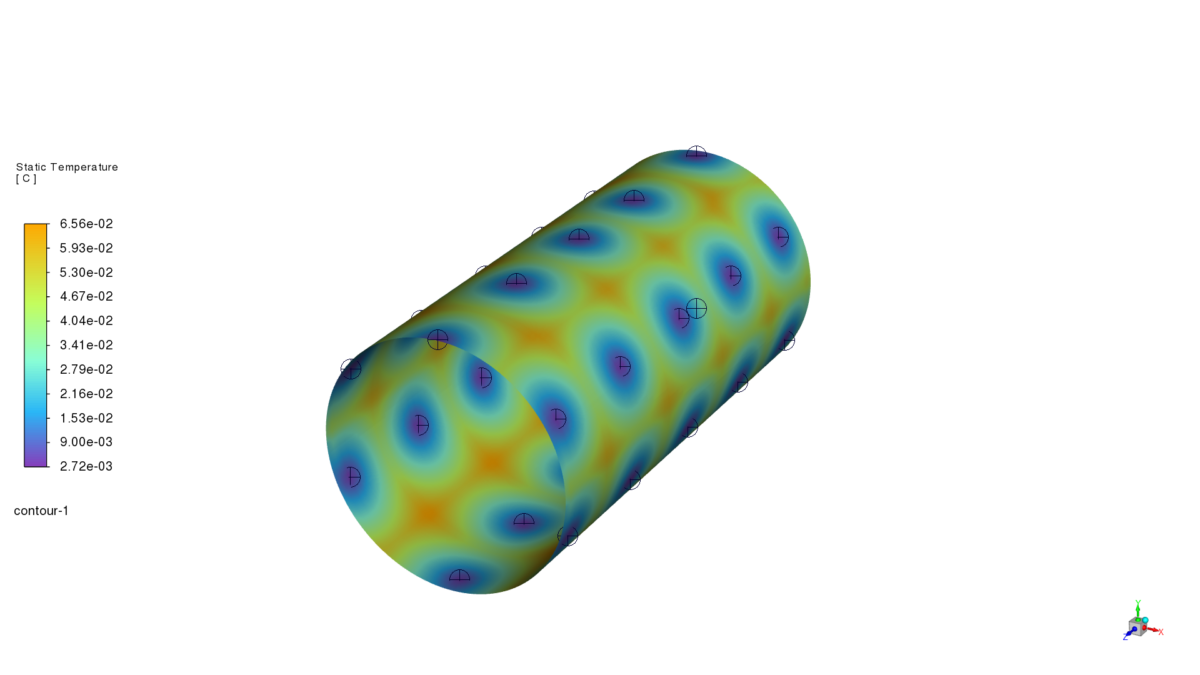
A custom 4D temporal and spatial cylindrical interpolation method was developed to map discrete measurement data onto a curved surface for simulation boundary conditions. The implemented UDF performed surface-based distance calculations and time-dependent interpolation directly on the cylindrical geometry, ensuring accurate data mapping. This approach provided a significantly more realistic and reusable boundary condition for multiple simulation cases.- Date
- 22 Μαΐου 2026
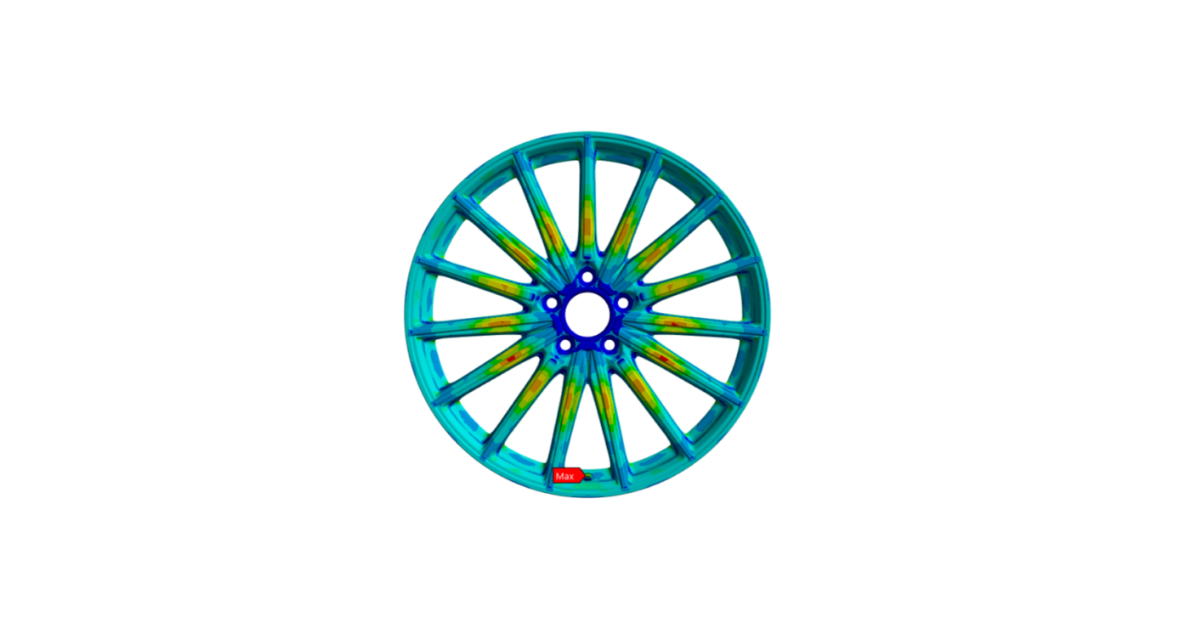
A physics‑based simulation framework was developed to optimize aluminum alloy wheel design and support manufacturing validation, applying structural and fatigue analyses in accordance with international standards. The workflows cover radial rolling, cornering fatigue, and impact scenarios, following protocols such as ISO 3006:2015, ISO 7141, and SAE wheel standards. Accurate material characterization informed both linear and non-linear finite element analyses, ensuring simulation results closely matched physical testing. This approach enables reliable virtual validation, reduces the need for extensive prototyping, and accelerates the overall wheel design cycle.- Date
- 22 Μαΐου 2026
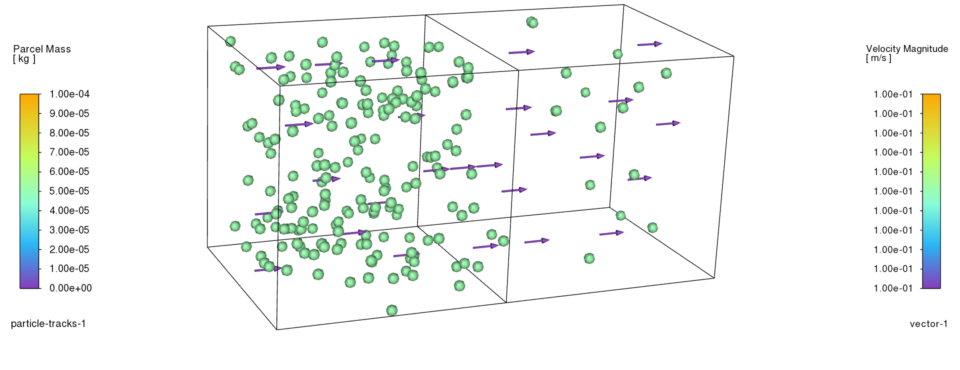
The filter clogging behavior of a truck brake system was analyzed using a customized CFD approach. A porous zone model combined with DPM and User-Defined Functions enabled simulation of particle capture, clogging progression, and size-dependent filtration efficiency. The workflow improved prediction accuracy of pressure drop and filter performance, supporting more reliable design decisions.- Date
- 21 Μαΐου 2026
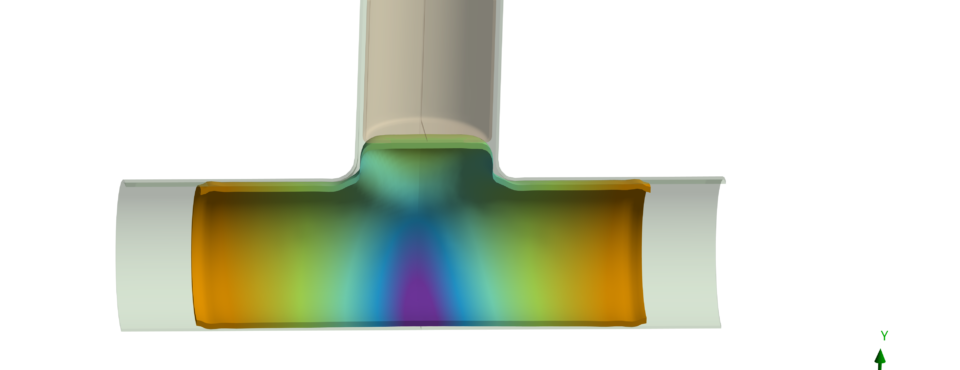
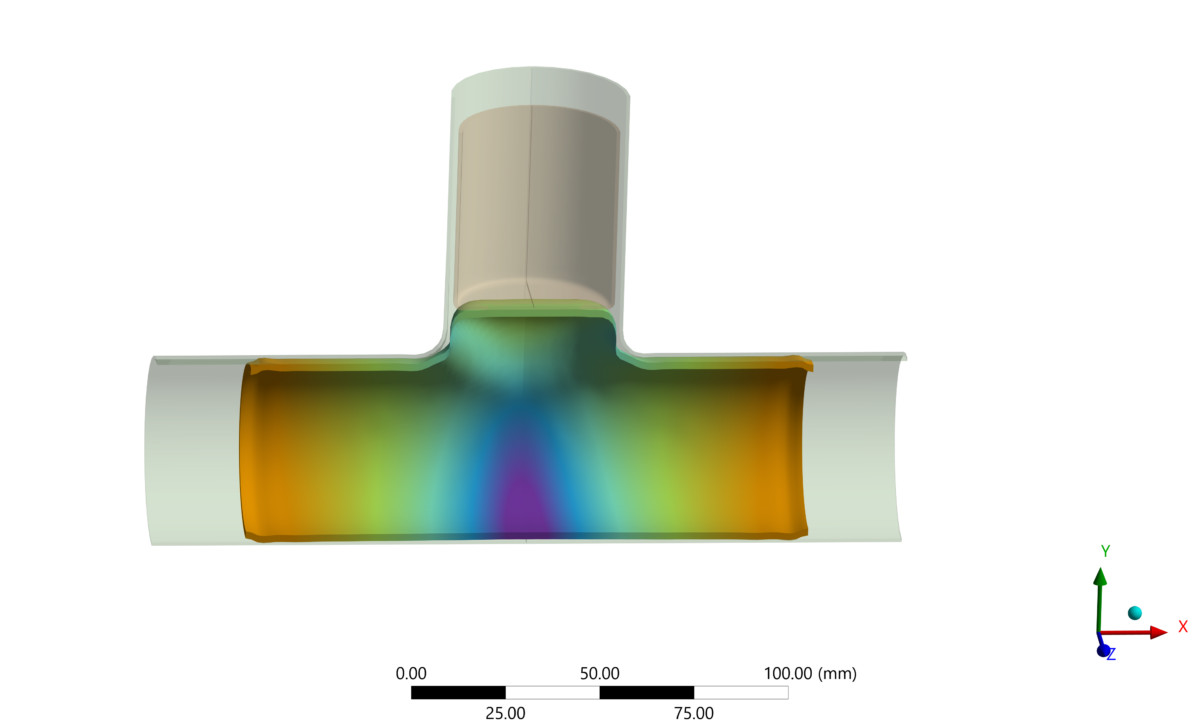
The hydroforming process of a copper pipe was analyzed to improve forming reliability and reduce material waste. A 3D FEA model simulated deformation under varying pressure levels, enabling optimization of internal pressure and prediction of critical wall thickness reduction. The results demonstrated that simulation-driven tuning can significantly improve process stability and production efficiency.- Date
- 20 Μαΐου 2026
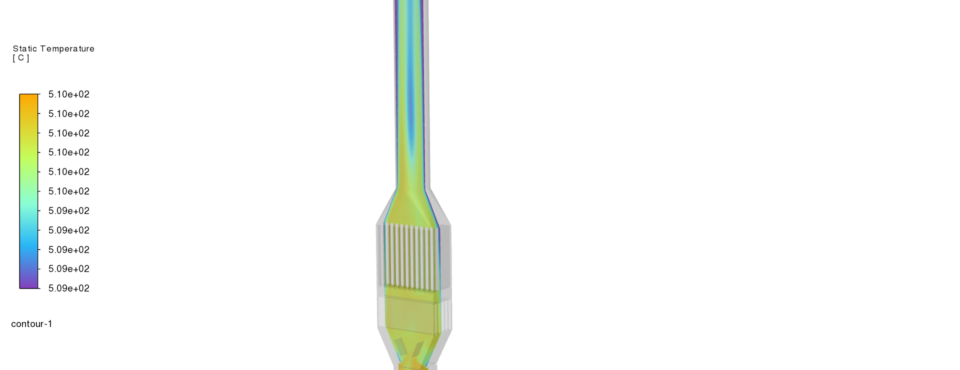
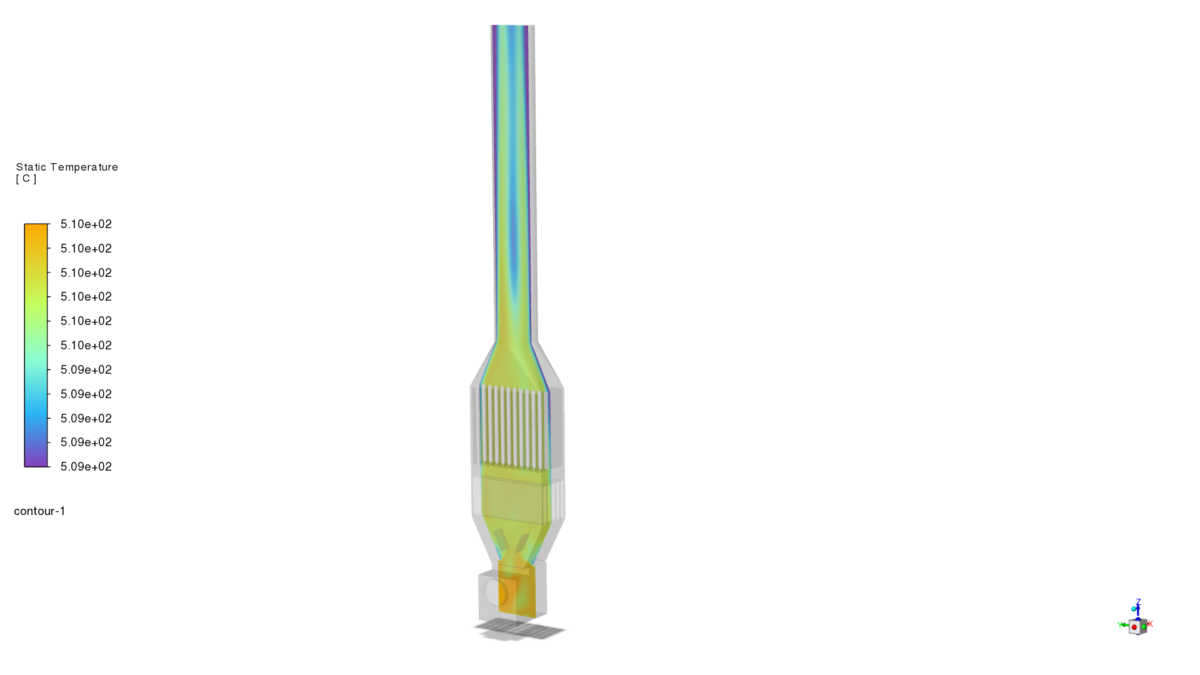
The thermal performance of the bypass chimney and silencer was assessed to verify compliance with external temperature limits. A 3D CFD model using Conjugate Heat Transfer (CHT) and shell conduction was used to efficiently evaluate heat transfer through gas, walls, and insulation. The results confirmed that all temperature limits were met and no hot spots were identified.- Date
- 20 Μαΐου 2026
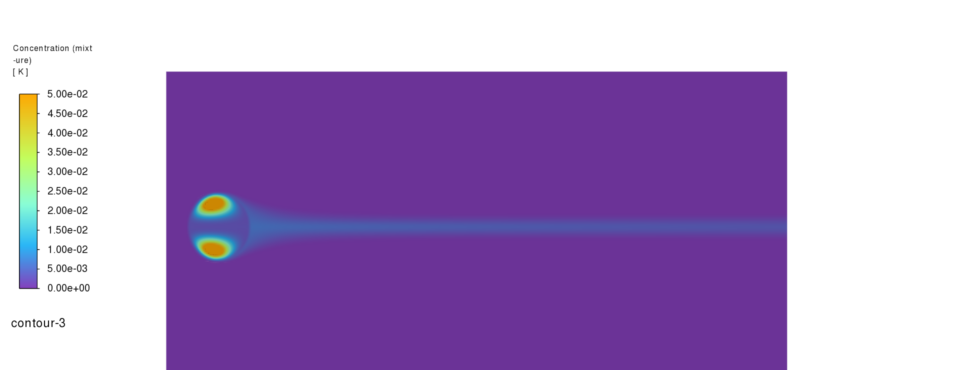
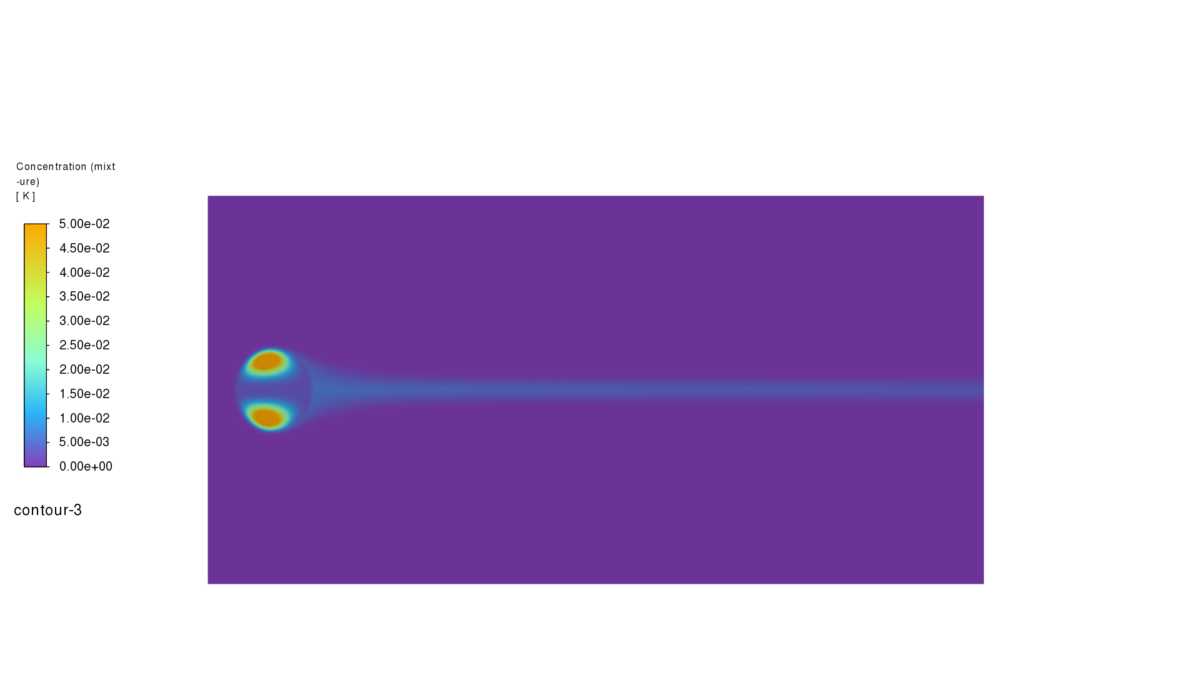
A CFD-based methodology was developed to improve prediction of fluid-fluid mass transfer in chromatography applications with limited experimental data. Using a 2D VOF model, a single droplet in crossflow was simulated to resolve detailed concentration fields. From the concentration decay, an effective mass transfer coefficient was determined, providing more accurate input data than empirical correlations for column-scale simulations.- Date
- 20 Μαΐου 2026
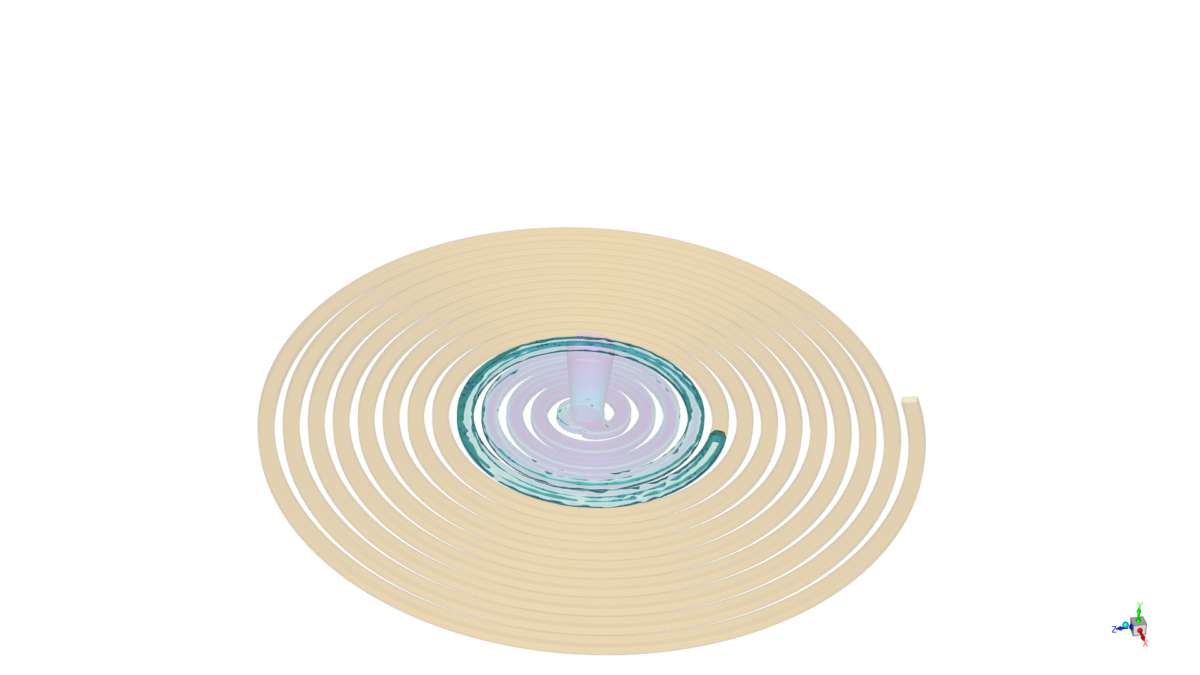
The RTM process for e-motor components was simulated to improve process understanding and defect prediction. A 3D CFD model captured resin flow, curing, and solidification, including temperature- and age-dependent material behavior. The simulation enabled identification of potential air entrapment and void formation, supporting process optimization and reducing manufacturing risks.- Date
- 20 Μαΐου 2026
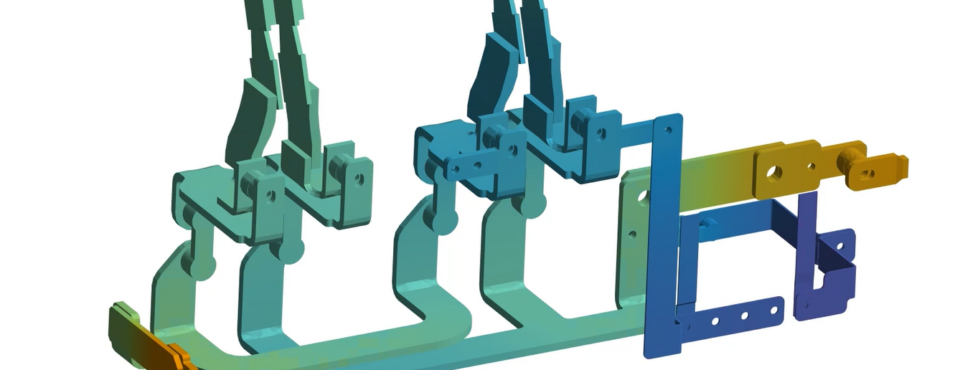
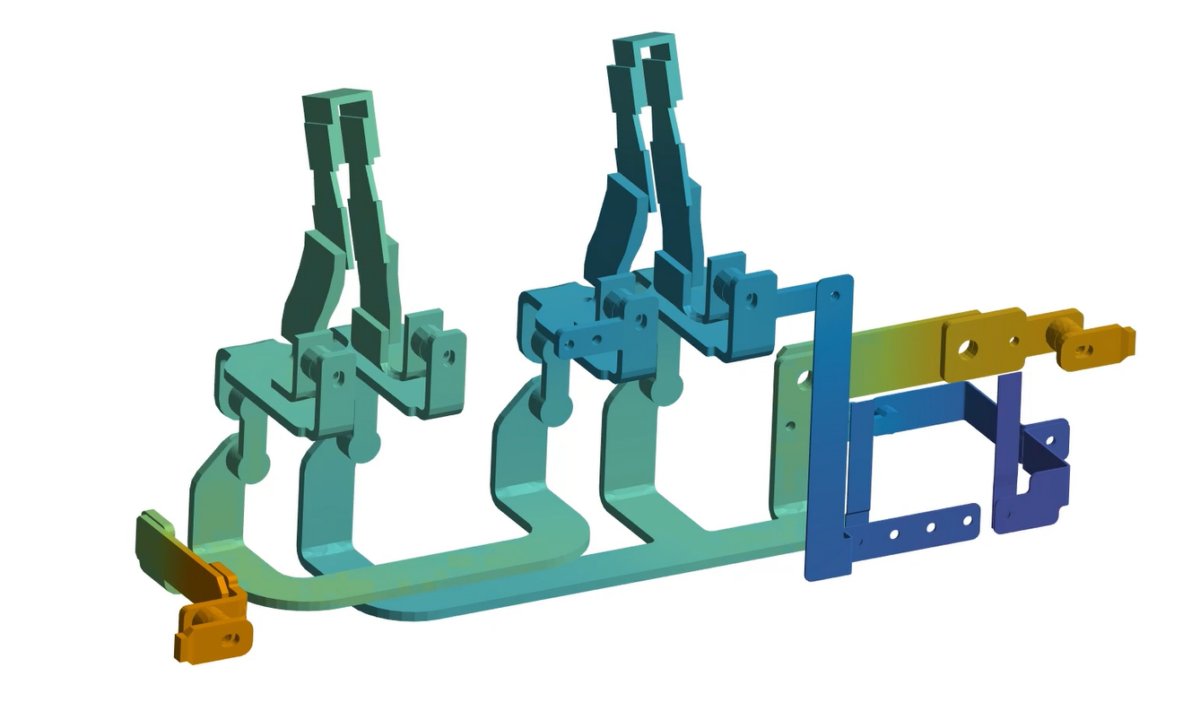
A transient electro-thermal simulation of a Power Distribution Unit (PDU) was performed to evaluate temperature evolution during alternating current charging and discharging cycles. The analysis was carried out using the Thermal-Electric Coupled Field Transient capabilities in Ansys Mechanical. The simulation includes time-dependent electric current flow, Joule heating, and heat transfer, with switching between charging and discharging paths represented through changes in boundary conditions. Both operating modes are captured within a single transient analysis by sequentially modifying electrical loads, current paths, and material properties.- Date
- 20 Μαΐου 2026
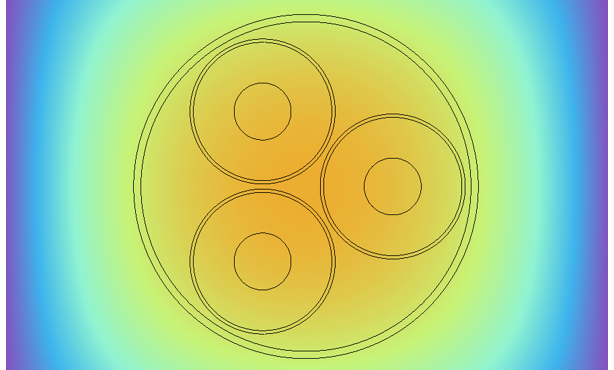
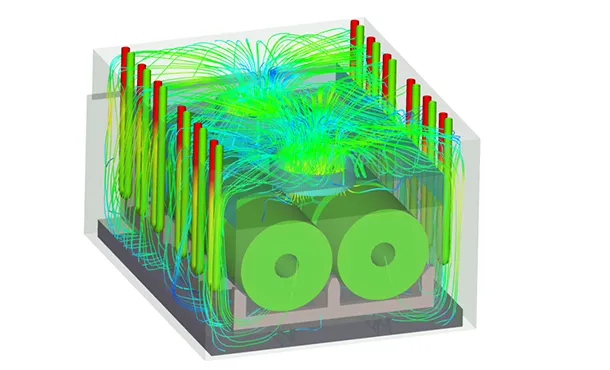
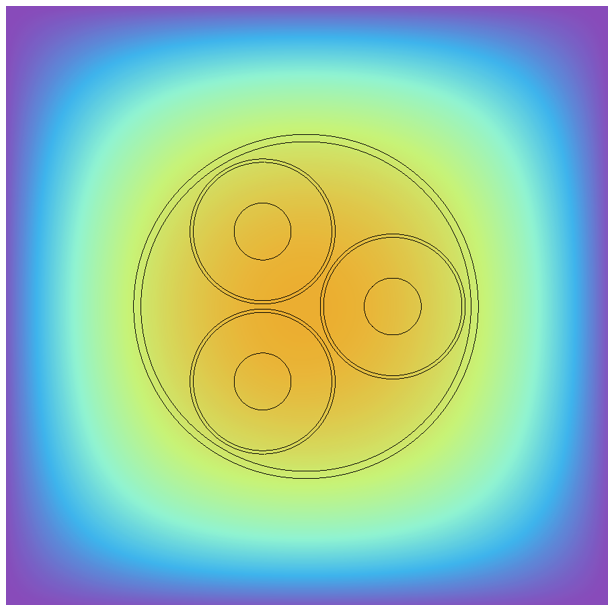
An electromagnetic-thermal co-simulation framework was developed for power cables, enabling accurate calculation of temperature-dependent electromagnetic losses with fully distributed heat sources at the mesh-cell level. Traditional IEC 60287 methods assume uniform conductor and sheath temperatures, which become inaccurate in the presence of strong thermal gradients, magnetic armor, proximity effects, and circulating currents. The framework couples an extended IEC 60287-based electromagnetic loss model directly to Ansys Fluent using PyFluent, retrieving local temperature values for every mesh cell to calculate temperature-dependent properties and corresponding volumetric heat sources. These spatially distributed heat sources are applied back to Fluent, where the thermal field is resolved with full geometric and material fidelity. This two-way, cell-resolved coupling ensures that electromagnetic losses and thermal fields are fully consistent, accurately representing cable behavior under real operating conditions.- Date
- 18 Μαΐου 2026
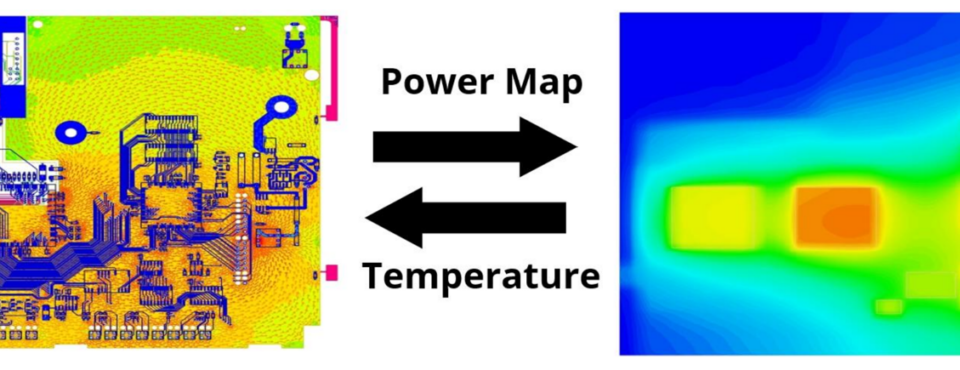
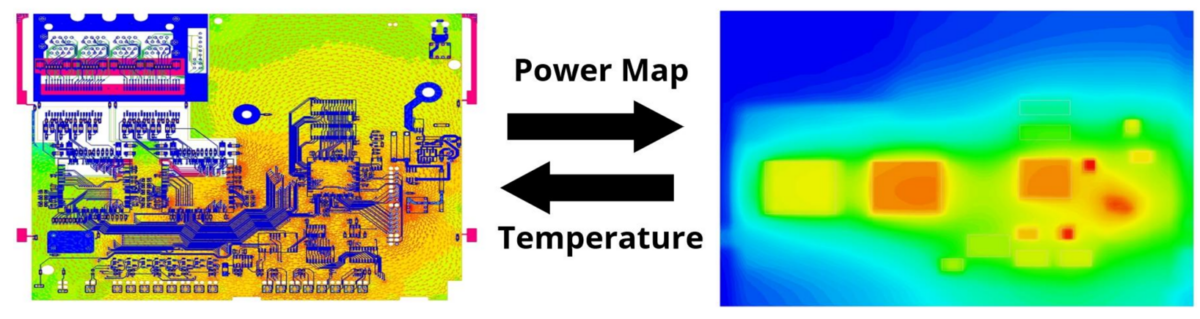
A high-fidelity multi-physics CFD study was conducted to ensure PCB thermal reliability, preventing overheating and localized hotspots through detailed electro-thermal simulations. Detailed ECAD data was imported and cleaned to accurately represent the PCB geometry, and orthotropic thermal conductivity maps were generated for each layer based on trace and via distributions. Resistive heating in traces and vias was modeled using DCIR electrical analysis results, and a coupled electro-thermal workflow between Siwave and Icepak was implemented for iterative convergence to capture temperature-dependent electrical behavior accurately. Full conjugate heat transfer models were built including the PCB, mounted components, and surrounding airflow environment. The methodology enabled precise prediction of temperature distribution, identification and mitigation of thermal hotspots, and provided a robust framework for future PCB thermal reliability analysis.- Date
- 18 Μαΐου 2026
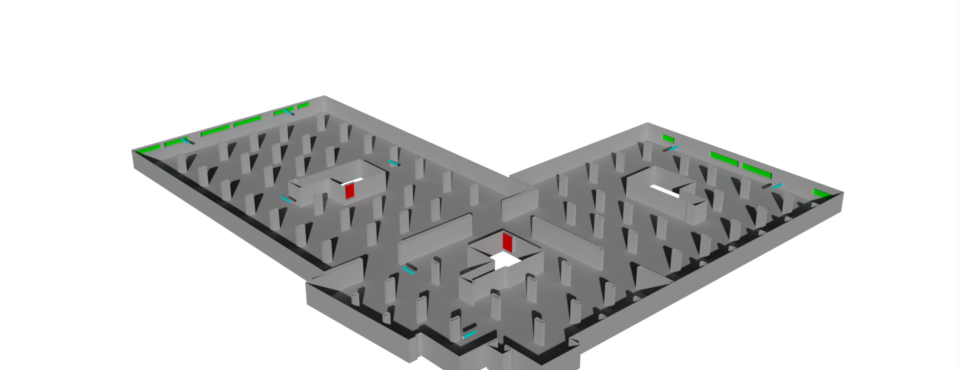
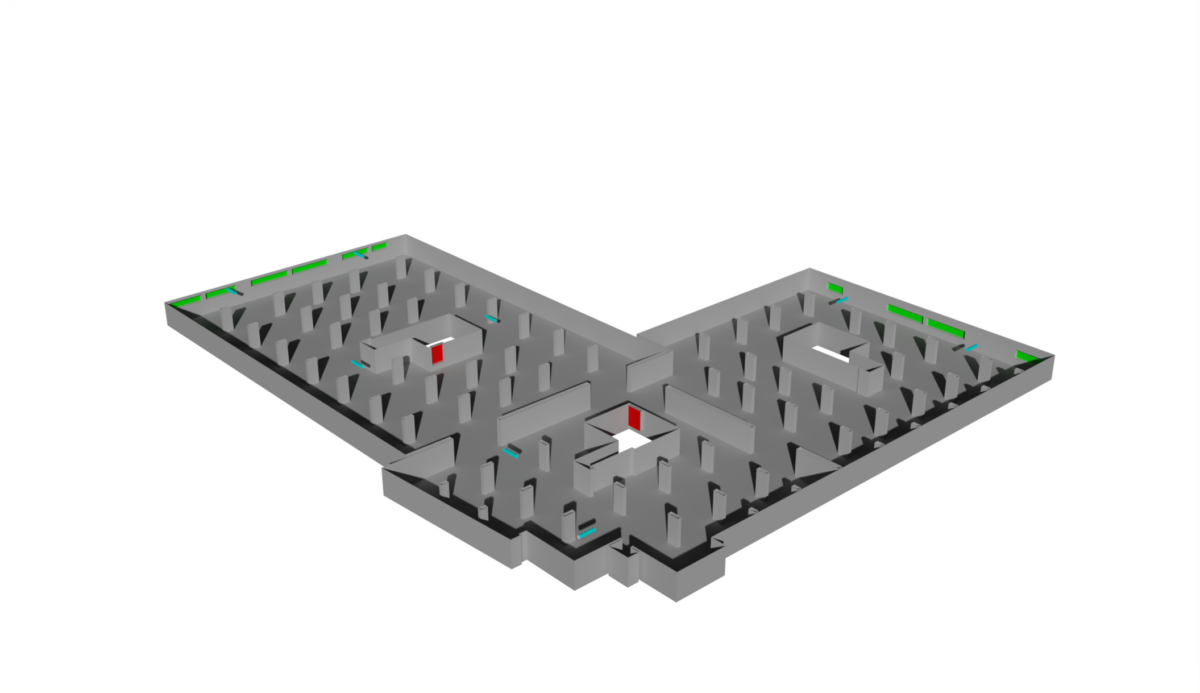
A detailed CFD study was conducted to design and validate the ventilation system of an underground car park, ensuring effective pollutant control during normal operation and supporting smoke extraction strategies for emergency scenarios. In accordance with BS 7346-7, a comprehensive 3D model was developed including inlets, exhausts, and jet fans. Simulations evaluated airflow distribution and local mean age of air as key performance indicators, identifying low velocity and recirculation zones. Alternative jet fan layouts were tested to optimize air movement. The final design delivers a compliant, energy efficient ventilation concept that ensures safe air quality and improved smoke management.- Date
- 18 Μαΐου 2026
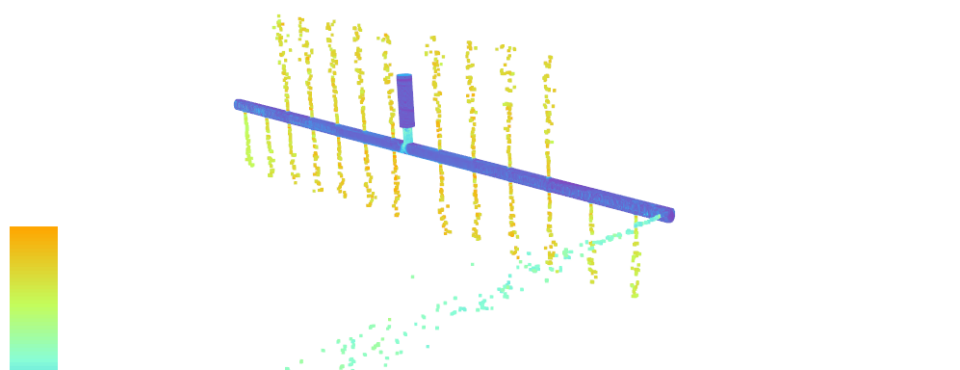
A Python and SpaceClaim-driven workflow was developed to accelerate external condenser placement analysis for data centers, cutting setup time from one week to minutes. The system automates PyFluent script generation, including on-the-fly C++ UDF creation and compilation, allowing users to perform reliable simulations without deep CFD expertise. This framework streamlines repetitive tasks, reduces human error, and enables rapid evaluation of multiple design iterations.- Date
- 4 Μαΐου 2026
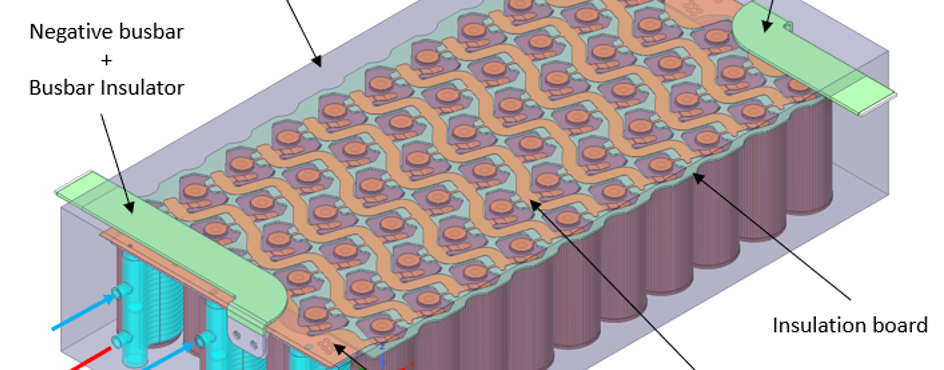
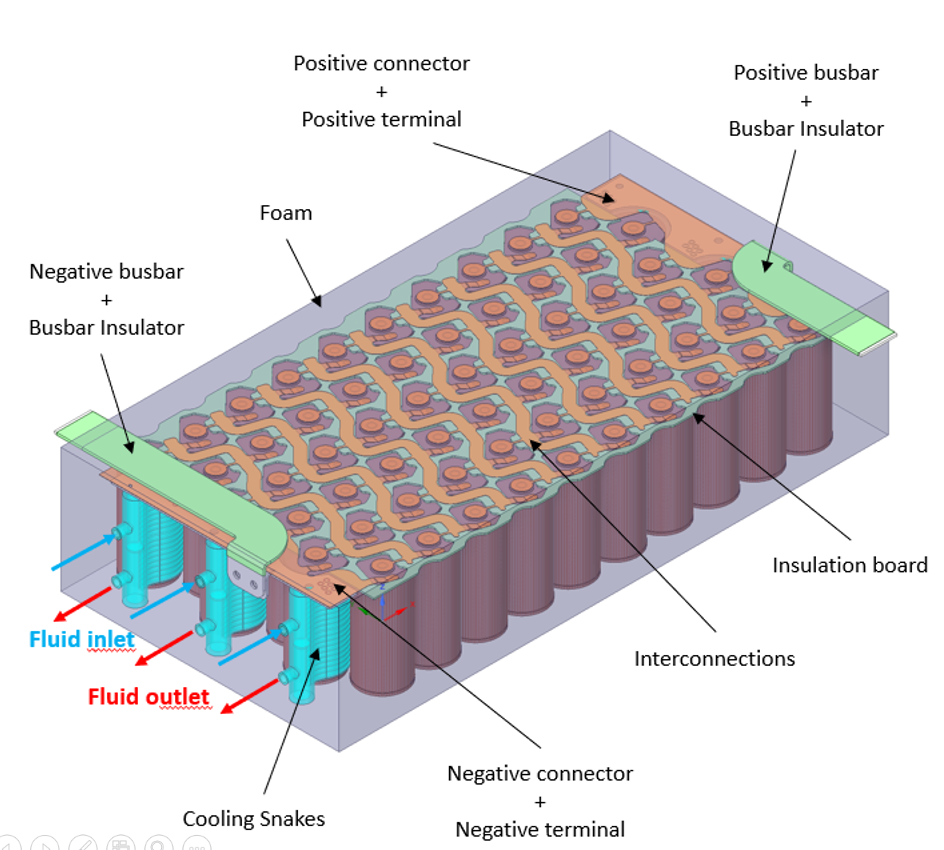
A CFD and electro-thermal study was conducted to optimize battery pack thermal management. Using a detailed 3D model of modules and internal cells, coupled simulations under realistic drive cycles identified hotspots and ensured uniform temperature distribution. Python automation and Reduced Order Modeling accelerated the workflow, enabling rapid design optimization and support for Digital Twin applications. The framework improves thermal uniformity, extends battery life, and reduces computational time.- Date
- 4 Μαΐου 2026
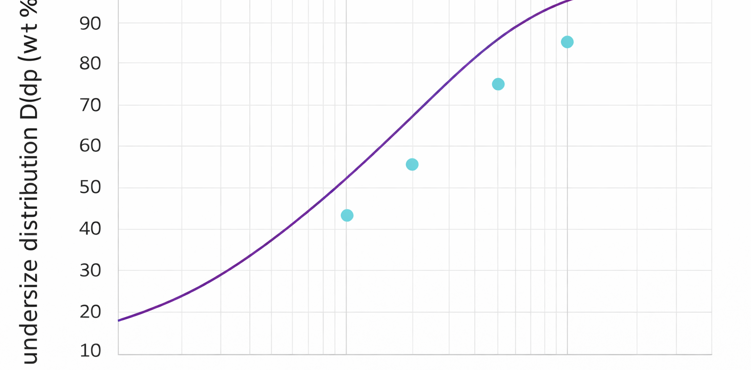
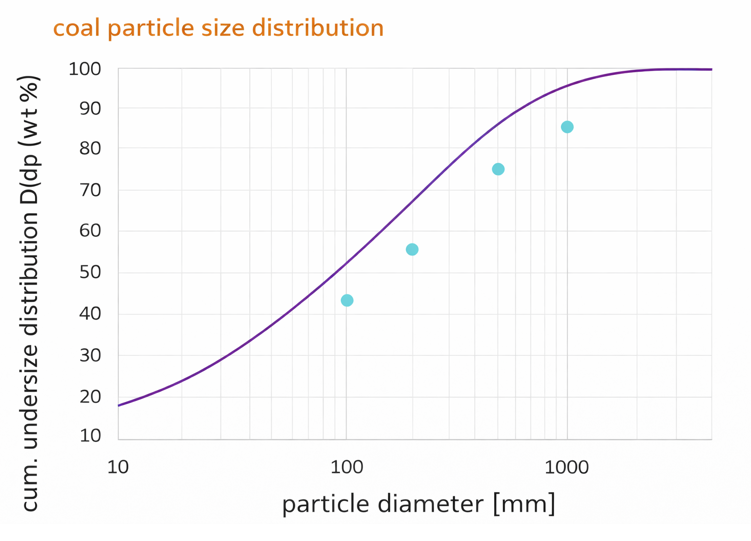
A detailed CFD study was performed to assess and optimize pulverized fuel (PF) duct distribution, ensuring uniform fuel delivery to all burner fingers and minimizing flow imbalances that could compromise combustion efficiency and component longevity. A full 3D model of the duct system and burner geometry captured gas-solid interactions using Euler-Lagrange simulations with realistic particle size distributions (PSD) and inhomogeneous coal inlet conditions. Baseline and modified duct designs were compared across different coal mass flow rates, revealing design changes that significantly improved fuel distribution uniformity. The optimized layout reduces deviations, enhances combustion efficiency, and minimizes hotspots, delivering a robust and reliable solution for PF distribution.- Date
- 8 Δεκεμβρίου 2025
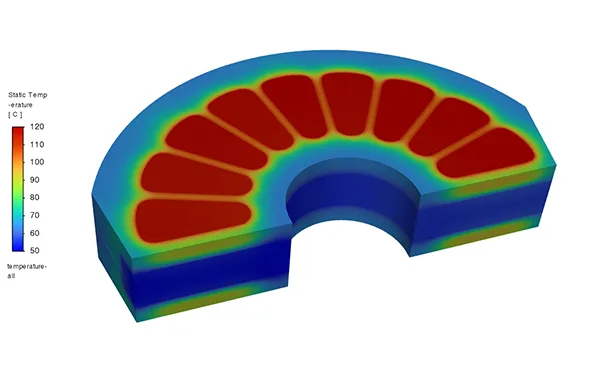
A conjugate heat-transfer CFD analysis was performed on an axial-flux motor using three stator-carrier solid materials with different thermal properties. The study assessed liquid coolant’s performance which flows inside specially designed channels, as well as the convective cooling to the surrounding air of the motor. Steady-state simulations, combined with material sensitivity studies, provided insight into temperature distribution, heat removal efficiency, and influence of thermal insulation.- Date
- 12 Νοεμβρίου 2025
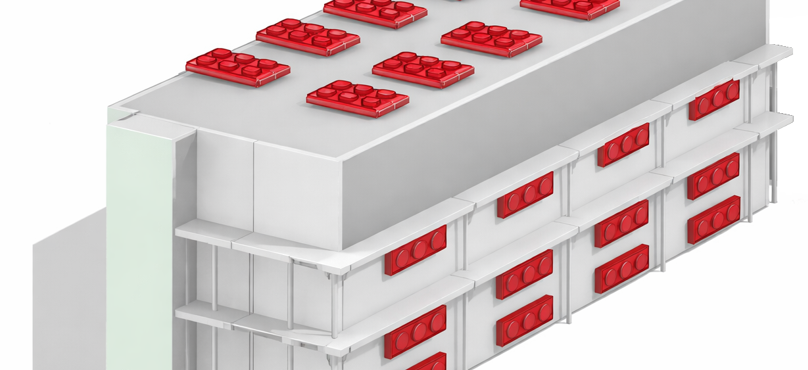
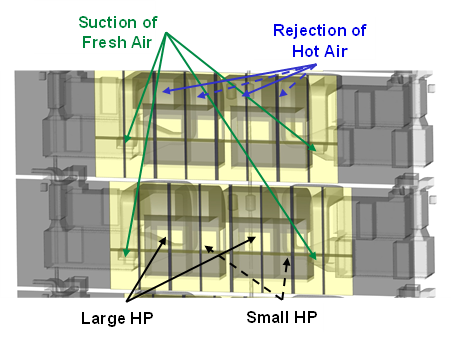
The study predicted airflow and temperature distribution in the external mechanical rooms of the residential and office buildings of 17-storey and 16-storey, respectively, "Landmark Towers" in Nicosia under hot summer conditions. The goal was to ensure that air-conditioning units located in mechanical rooms of each floor operate under acceptable conditions and draw in fresh air that is not "contaminated" by the recirculation of hot air rejected from other units of the same or adjacent floors. In order to achieve this, the simulation of a large air volume around the buildings, in addition to mechanical rooms volume, was necessary. Simulations revealed the great effect of the perpendicular louvers and covers, which greatly determine the airflow pattern and temperature distribution.- Date
- 4 Σεπτεμβρίου 2025
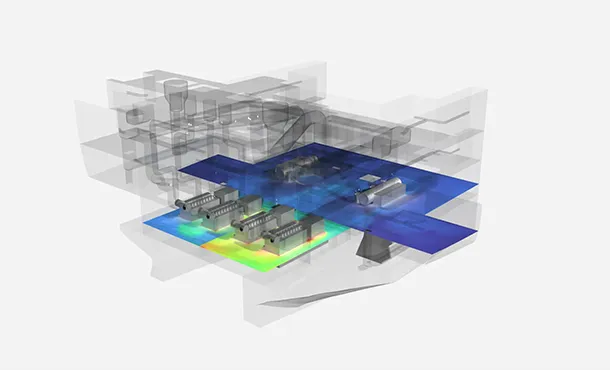
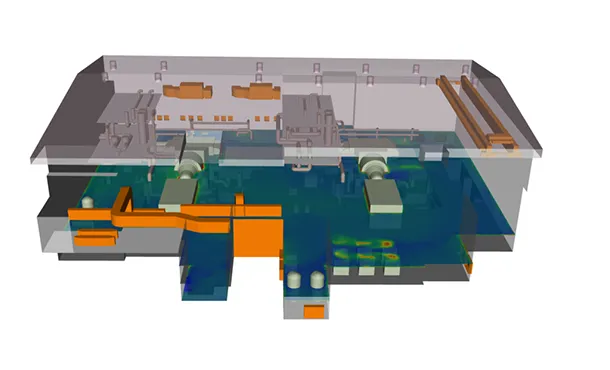
A Computational Fluid Dynamics (CFD) study was performed on behalf of Novenco Marine & Offshore to assess the performance of the ventilation system within a multi-deck ship environment. The goal was to identify hot zones and modify airflow distribution so that more cooling air is delivered to these regions. Using Ansys Fluent, Simtec team modeled complex heat dissipation from engines and gensets and simulated airflow from supply ducts under realistic operating conditions.Advanced CFD Analysis for Efficient Climate Control in Α Luxury Residential Complex in Voula, Attica
- Date
- 31 Ιουλίου 2025
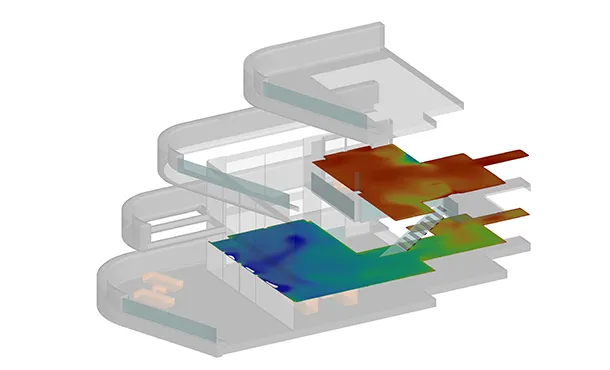
This project applied advanced CFD simulations to assess and optimize climate control and solar load management in a luxury residential complex in Voula, Attica. The simulations, conducted using Ansys 2024R1 tools, evaluated airflow patterns and temperature distributions across multiple levels of residential spaces. Key areas of focus included optimizing HVAC system performance, especially in challenging spaces like double–height living rooms with large glass facades, which are highly susceptible to solar heat gains. The findings guided HVAC system modifications that improved energy efficiency and resident comfort, in alignment with Greek national standards (KENAK and TOTEE). The results of this study provide actionable insights for reducing energy consumption and enhancing the performance of HVAC systems in high–end residential developments.- Date
- 29 Ιουλίου 2025
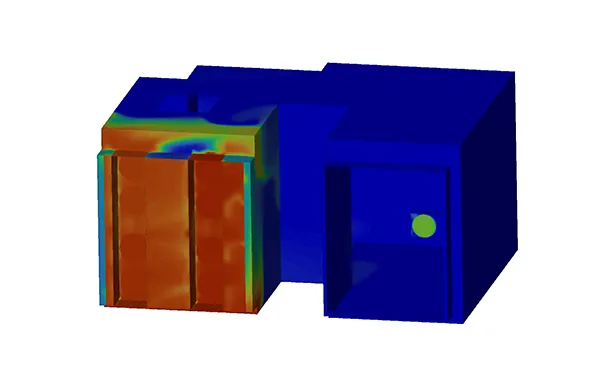
Simtec conducted a comprehensive cooling study for two Data Centers located in the Attica region, utilizing Computational Fluid Dynamics (CFD) simulations. The study included both the analysis of external heat flow from the air conditioning units and the simulation of the internal spaces.- Date
- 26 Αυγούστου 2024
Simtec assessed the cooling and ventilation of two steam turbines at a power plant in Cyprus, focusing on the challenges posed by hot summers. Using Fluent's solar load model, the study simulated the worst-case thermal loads. The HVAC system's performance was evaluated, identifying temperature hot spots and areas of stagnant air. The results confirmed effective cooling without noise hazards, helping engineers avoid the need for additional fans, thus reducing costs.- Date
- 23 Αυγούστου 2024
Simtec simulated the ventilation and indoor air quality for a mall in Ioannina, Greece, focusing on its HVAC system's ability to maintain comfortable temperatures during harsh winters and hot summers. The detailed model accounted for solar heat load, building materials, and occupant heat. The study also calculated air renewal rates, identifying areas with stagnant air. The results ensured the mall's HVAC system could provide comfort and high air quality year-round.- Date
- 23 Αυγούστου 2024
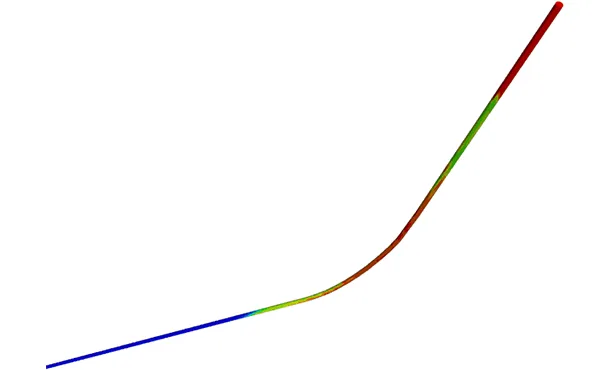
Simtec simulated the flow of heavy fuel oil through a subsea pipe transferring fuel from tanker ships to a Greek island's power plant. The study aimed to determine if insulation was needed to prevent fuel solidification during winter. The CFD model, using multiphase modeling, confirmed that despite small pockets of solidified fuel, the pipe remained functional without insulation. This validation helped Public Power Corporation SA avoid unnecessary insulation costs.- Date
- 23 Αυγούστου 2024
Simtec collaborated with ELKEME, the research center of VIOHALCO Group, to simulate an industrial furnace used for annealing aluminum coils. The CFD model analyzed heat transfer between nitrogen and aluminum within the furnace, driven by radiation and forced convection from axial fans. This simulation helped create a predictive library for standard annealing cases, enabling ELKEME to optimize production by achieving uniform heating and reducing annealing times.- Date
- 23 Αυγούστου 2024
Simtec used Ansys Fluent to validate Lindbergh KFT's rain louvre through CFD analysis, bypassing time constraints of physical certification. The simulation replicated the CSN EN 13030 test, including turbulent airflow and droplet tracking. The CFD model was validated against a certified louvre (type 78Z) and applied to the louvre under assessment (type Z100). The results confirmed Z100's superior performance, allowing Lindbergh to save time and costs in certification.- Date
- 23 Αυγούστου 2024
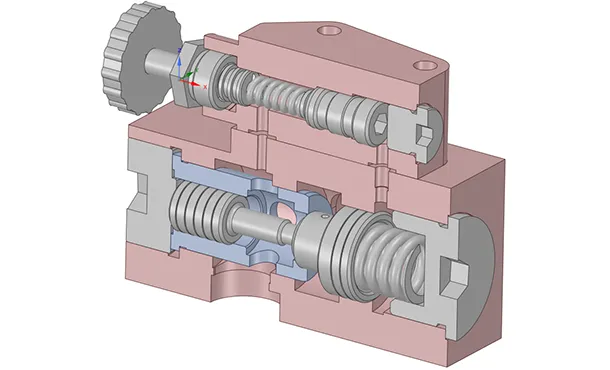
Simtec used CFD to analyze the hydraulic oil flow in a control valve, focusing on cavitation phenomena caused by pressure drops. The study modeled phase changes using a multiphase approach, revealing that cavitation occurs in three stages, each with distinct frequencies. These frequencies are linked to noise and potential structural fatigue, offering insights into the valve's performance and durability.- Date
- 23 Αυγούστου 2024
Simtec conducted a heat dissipation study for BIOSAR SA's underground cables at a Photovoltaic Power Station in Oakey, Australia. Using coupled finite element analysis with Ansys Mechanical, the study evaluated the thermal loads from ohmic losses and solar radiation on cables in sand-filled trenches. The simulation ensured that the design would protect the cables from melting, even under worst-case conditions.- Date
- 23 Αυγούστου 2024
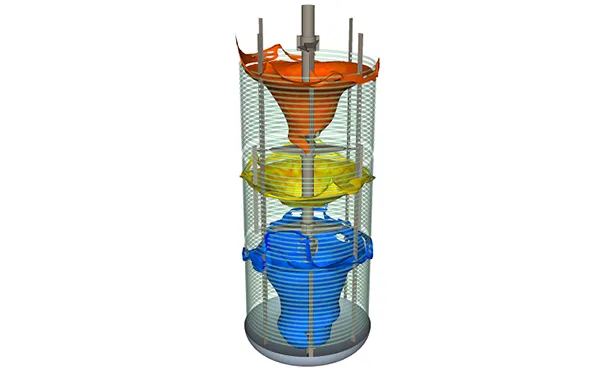
Simtec assisted MELAMIN engineers in simulating the behavior of a batch reactor during a scale-up study. Three different impeller configurations were analyzed using CFD to evaluate mixing efficiency, required time, and rotation torque. The simulations revealed the best impeller design, identified potential mixing issues from local vortices, and helped the engineers make safer and more cost-effective decisions.- Date
- 23 Αυγούστου 2024
Simtec investigated severe vibrations in an installed heat exchanger, initially suspected to be caused by unsteady fluid flow. Using transient CFD modeling, the flow inside the heat exchanger's gas and liquid circuits was analyzed, focusing on high-frequency forces on the walls. The study found no significant frequency-induced forces, allowing engineers to explore other potential causes of the vibrations.- Date
- 23 Αυγούστου 2024
Simtec simulated ELPEN's double-blister Dry Powder Inhaler to verify its drug dispersion efficiency. Using CFD modeling, the airflow and particle dynamics within the inhaler were analyzed, ensuring effective drug delivery even under low suction pressure. The study confirmed that the design allows proper mixing and quick particle exit, providing ELPEN with valuable insights for optimizing the inhaler's aerodynamic performance.- Date
- 23 Αυγούστου 2024
Simtec evaluated the health and safety systems of the National Museum of Contemporary Art in Athens, focusing on its standard and emergency HVAC systems. Using CFD modeling, they simulated fire scenarios in the museum, which occupies a former industrial brewery with flammable art exhibits. The study assessed the effectiveness of the fire sprinklers, evacuation plans, and smoke extraction systems, determining the building's safety within the first 15 minutes of a fire outbreak.- Date
- 23 Αυγούστου 2024
SIMTEC utilized Computational Fluid Dynamics (CFD) simulations to evaluate the wind energy potential of a challenging site in Greece with steep slopes. Traditional methods were insufficient, so ANSYS FLUENT was used to analyze wind patterns and energy potential across various directions and speeds. The results supported TERNA engineers in assessing the economic viability of a potential wind farm.- Date
- 9 Αυγούστου 2024
SIMTEC used CFD modeling to verify the efficiency of KRONOSPAN's new batch reactor design. The model confirmed effective mixing and heat transfer, ensuring safe operation and preventing material solidification.- Date
- 9 Αυγούστου 2024
SIMTEC used CFD to study the air flow inside an Air-Curtain. Air–Curtains are usually placed over doors and openings in commercial stores, shops and other public spaces.- Date
- 10 Ιουνίου 2024
SimTec performed CFD simulations for “INSTA Consultants Engineers” to calculate the flow and temperature fields inside and around the “Piraeus Tower”.- Date
- 1 Ιανουαρίου 2024
Simtec conducted a structural analysis of an industrial aluminum roller designed by TEKA Systems S.A. for EL.V.AL. S.A. Using ANSYS Mechanical, the study evaluated the roller's performance under standard and overload forces. The CAD model was simplified and analyzed, revealing that the roller operates within the elastic region, with only minor, non-critical plastic deformations. This ensured the safe and reliable operation of the roller.- Date
- 1 Ιανουαρίου 2024
Simtec conducted electromagnetic simulations to evaluate magnetic coupling and current imbalance in cables connecting inverters to transformers at a Photovoltaic Power Station in Brazil. The study explored different cable arrangements in buried pipes, revealing that configurations with different-phase cables in each pipe reduced current unbalancing. Thermal analysis under worst-case conditions showed that the cables' temperature remained well below the melting point, confirming no risk of overheating.- Date
- 1 Ιανουαρίου 2024
Simtec simulated the ventilation and cooling of a power generation facility in the Libyan desert, addressing the challenges of excessive solar heat and diesel engine output. Using Fluent's solar load model, the study focused on the worst-case summer scenario. The simulation included realistic geometry and material properties, assessing the HVAC system's capacity to manage heat from three engines. The results showed the system's ability to handle the high heat load, ensuring effective cooling and ventilation.